Relocating countries with kids? Oh, we know the joys (and chaos!) of moving kids across continents. We’ve done it three times and back again! The total overwhelm of logistics and sheer excitement of exploring an amazing new city is quite the ride, and if Dublin is your next stop, you’re already ahead of the game.
With our gorgeous parks and beaches, buzzing cultural scene, brilliant family activities, top schools, and famously warm welcome, Dublin is without doubt one of Europe’s best cities for families to live.
Whether you’re arriving from overseas or just hopping counties, this guide is your shortcut to settling in. We’ll walk you through everything, from figuring out where to live, finding the right school, and sorting out healthcare, to knowing what to expect in those first few weeks and how to settle into family life without losing your sanity. Grab a cuppa… let’s get you feeling at home in no time.

Dublin is a brilliant city for families, and it’s easy to see why. It’s compact, so you can get just about anywhere in under 30 minutes, perfect for busy family life. The city is bursting with green spaces, from parks and playgrounds to beaches and forests, giving kids endless room to roam. It’s incredibly welcoming too, children are embraced in restaurants, public spaces, and at events all year round. There’s a strong sense of connection, with libraries, community centres, and family-friendly happenings bringing people together. And if you ever need a hand navigating it all, our LIVING IN DUBLIN section and COMMUNITY hub are here to support you every step of the way.
Flying into Dublin
Dublin Airport (DUB) is the main international gateway into Ireland and one of Europe’s busiest airports, but the good news for families is that it’s well set up for an easy arrival. There are direct flights from North America, Europe, and the Middle East, and its two terminals are compact and easy to navigate with kids in tow. Family-friendly services include baby-changing facilities, play areas, and priority security, while transport options from the airport are plentiful, with taxis, buses such as Aircoach and Dublin Bus, and on-site car hire all available.
Tip: If you’re arriving with children and staying in the city centre, Aircoach routes 700 or 702 are buggy-friendly and stop near major hotels and residential areas.
Getting Around: Public Transport in Dublin
Once you’re here, Dublin is easy to get around thanks to its well-connected public transport system. Dublin Bus operates over 100 routes across the city, with discounted fares available via the Leap Card (and free travel for children under five). Most buses allow buggies, though space can be tight, so a folding stroller is recommended during rush hour. The DART (Dublin Area Rapid Transit) is a fast, scenic, and buggy-friendly coastal rail line running from Malahide to Greystones—perfect for family beach trips to Howth, Sandymount, or Bray. The LUAS (light rail) has two lines, Red and Green, making it easy to travel between the city and suburbs in comfort and reliability. For families exploring in their first few days, Leap Visitor Cards are a convenient and cost-effective option.
Taxis are widely available via apps such as FreeNow and Uber, and while baby car seats are not legally required, they’re advisable if you have one, with larger 6–7 seater vehicles able to accommodate families with luggage and strollers.
Leap Visitor Cards are a good option for families exploring in the first few days.
Where to Live: Dublin Neighbourhoods (D2–D18 + Co. Dublin)

Choosing the right neighbourhood is one of the biggest decisions when relocating with kids and Dublin has plenty of family-friendly options, each with its own charm. From leafy suburbs with top-notch schools to coastal areas brimming with outdoor adventures, there’s a perfect fit for every lifestyle and budget.
Whether you’re drawn to walkable city living, a close-knit community vibe, or easy access to green space and the sea, Dublin’s mix of areas offers something for everyone. This guide to key postal zones and surrounding towns will help you narrow your search, considering everything from schools and parks to commute times and weekend fun.
Vibe: Urban, lively, cultural. You’ll be right in the middle of Dublin’s most famous streets, shops, museums, and restaurants. Housing options range from Georgian apartments to modern duplexes. Schools are limited within the postal zone itself, so many families here choose city-centre crèches and travel for primary/secondary schools.
Why Families Choose It: Walkability is unbeatable. You can get to great playgrounds, the best cafés, and cultural attractions in minutes without a car. Perfect for families who thrive on being “in the thick of it.”
Family highlights:
Play: St Stephen’s Green and Merrion Square playgrounds — safe, enclosed, and charming.
Eat: Dunne & Crescenzi and Brother Hubbard North are city centre favourites.
Culture: The Ark brings theatre and art alive just for kids, MoLI (Museum of Literature Ireland) sparks imaginations with stories and interactive exhibits, and the National Gallery is perfect for a colourful wander.
Vibe: Leafy, upmarket, and community-oriented, yet minutes from the city. Beautiful period houses, embassies, and tree-lined streets define the look, while the coastal location adds fresh sea air.
Why Families Choose It: Highly walkable to schools, markets, and the strand. Excellent transport links and plenty of green space make it one of Dublin’s most sought-after family neighbourhoods.
Family highlights:
Play: Herbert Park, a beautifully kept playground, duck pond, tennis courts, and a Sunday food market.
Eat: Bujo Burger and Press Cafe are family favourites.
Outdoors: Sandymount Strand and Merrion Strand for long walks, scooting, or paddling.
Community: Local sports clubs (rugby, tennis, sailing) and weekend events at Aviva Stadium.
Vibe: Relaxed coastal suburbs with a traditional “village” feel, just 15 minutes from the city by DART. Homes range from 1950s family houses to newer developments.
Why Families Choose It: You’re close to beaches, nature reserves, and one of Dublin’s biggest parks while enjoying a strong local community atmosphere.
Family highlights:
Play: St Anne’s Park, Dublin’s largest suburban park playground, plus markets, dog runs, rose gardens, and cycling paths.
Eat: Perfect Day Cafe is a family favourite.
Nature: Bull Island, perfect for sandcastle building, birdwatching, and gentle beach days.
Active living: Coastal cycle routes and community sports like GAA and soccer keep kids moving.
Vibe: Quiet, leafy, and residential. Known for roomy houses, generous gardens, and a slower pace while still being close to the city.
Why Families Choose It: Great schools, safe streets, and large parks make it ideal for long-term family life.
Family highlights:
Play: Bushy Park’s revamped playground, duck pond, skate park, and lively Saturday market.
Eat: Cinnamon and Mayfield are family favourites.
Community clubs: Tennis, GAA, drama schools — all with strong junior sections.
Nature nearby: Dodder riverside walks offer an easy escape into greenery without leaving the city.
Vibe: Trendy, creative, and full of character, Dublin 8 blends rich history with artistic charm and unbeatable access to the city centre. It’s ideal for families who want to stay close to the action while enjoying the warmth of a true neighbourhood feel. With a thriving community, a wide choice of family-friendly cafés and restaurants, and parks and cultural spots on your doorstep, it’s one of the city’s most vibrant areas to raise kids.
Why Families Choose It: Combines city-centre proximity with a real sense of community. Popular with young families who enjoy café culture alongside parks and cultural activities.
Family highlights:
Play: Phoenix Park is one of Europe’s largest enclosed parks, perfect for family bike rides, playground fun, and spotting the resident deer.
Eat: Board and The Boathouse Restaurant are family favourites.
Culture: In the heart of Dublin 8, families are spoiled for choice with IMMA’s free family art workshops, Kilmainham Gaol’s fascinating history tours for older children, step back in time at Richmond Barracks and explore all the fantastic free kids events.
Outdoor life: Head for an adventure in the Phoenix Park with its playgrounds, Dublin Zoo, and famous deer!
Vibe: Northside suburbia with excellent parks, a strong sports scene, and a friendly, neighbourly feel.
Why Families Choose It: Affordable housing compared to the southside, great local schools, and quick access to both city and airport.
Family highlights:
Play: Griffith Park — riverside playground, walking trails, and picnic spots.
Eat: National Botanic Gardens Café and Nelly’s are family favourites.
Nature: National Botanic Gardens with seasonal family trails.
Sport: GAA, soccer, and athletics clubs welcome newcomers warmly.
Vibe: Affordable, strong community roots, and a straightforward, no-frills lifestyle.
Why Families Choose It: Close-knit neighbourhoods, active community centres, and parks within walking distance.
Family highlights:
Play: Walkinstown Park and Brickfields Park cater to all ages.
Eat: BaaBaa Cafe is a family favourite.
Culture & learning: Crumlin Library storytimes; Ballyfermot Civic Centre family events.
Community arts: Local youth services run creative workshops and drama for children.
Vibe: Peaceful coastal suburbs with great DART access and scenic outdoor spaces.
Why Families Choose It: A slower pace, proximity to beaches, and excellent playgrounds make this area a solid choice for outdoor-loving families.
Family highlights:
Play: Father Collins Park — wind-powered, eco-friendly, and full of scooter paths.
Eat: Little Green is a family favourite.
Nature: Baldoyle–Portmarnock Greenway and Sutton beach walks.
Community: Baldoyle Library offers LEGO afternoons and story sessions.
Vibe: A family favourite, top schools, excellent transport, and a balance of suburban calm and city convenience.
Why Families Choose It: Access to both the city centre and Dublin Mountains, with a wealth of activities on your doorstep.
Family highlights:
Play: Marlay Park — huge playground, fairy trail, animal farm, and weekend market.
Eat: Jamie’s Italian is a family favourite.
Learning & fun: Visit Airfield Estate for farm animals, gardens, café, and fantastic year-round family events.
Indoor days: Dundrum Town Centre cinema, soft play, and cafés.
Vibe: Modern, expanding, and surrounded by green hills. Larger houses and apartments, good LUAS links, and nature on your doorstep.
Why Families Choose It: Offers the best of both worlds — quick access to city jobs and weekend escapes into the mountains.
Family highlights:
Play: Fernhill Park’s natural-style playground.
Eat: The Vanilla Pod is a family favourite.
Adventure: Ticknock forest walks and mountain biking trails.
Learn: Exploruim’s science and play museum nearby.
South County Dublin – Coastal & Suburban Gems
If you’re looking for a balance of seaside living, excellent schools, and easy access to the city, South County Dublin’s neighbourhoods are a top pick for many families. These areas combine scenic walks, vibrant village life, and family-friendly amenities.
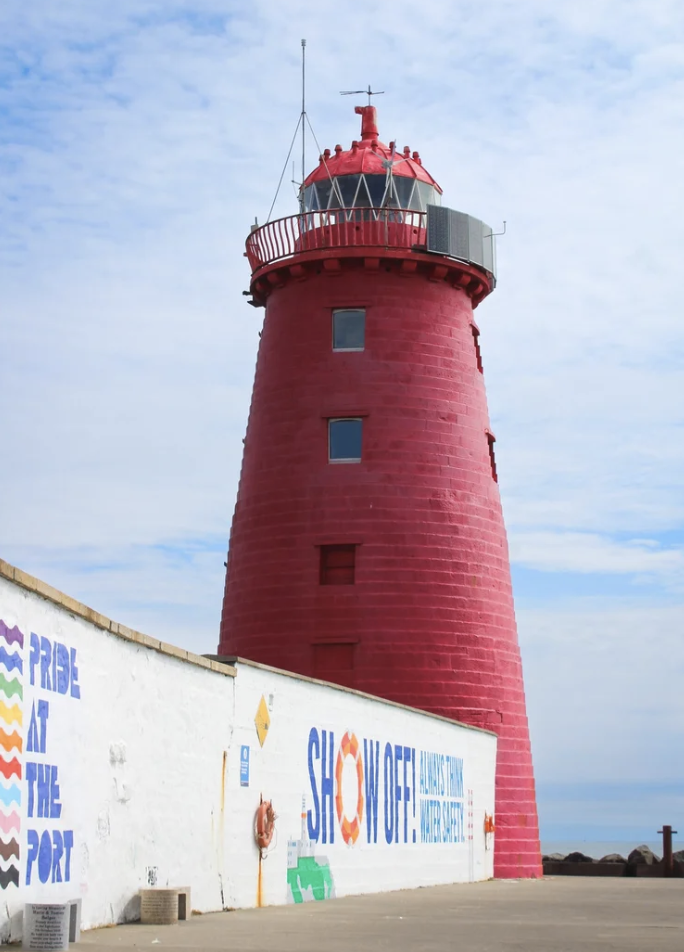
Key Neighbourhoods
Blackrock – Bustling seaside town with excellent schools, a weekly market, and coastal walks along Seapoint.
Dún Laoghaire – Historic harbour town with a popular pier for walks, a large public library, and regular family events.
Dalkey – A picturesque village with boutique shops, Dalkey Castle tours, and easy access to Killiney Hill for panoramic views.
Killiney – Known for its beach, hill walks, and peaceful residential streets.
Monkstown – Elegant terraces, boutique cafés, and proximity to swimming spots and playgrounds.
Sandycove & Glasthule – Small, charming seaside enclaves famous for the Forty Foot swimming spot and friendly community vibe.
Cabinteely – Home to Cabinteely Park’s large playground, walking trails, and weekend markets.
Shankill – Coastal village feel with direct DART access, beach walks, and cycle routes.
Why Families Love It
South County Dublin offers a slower pace without sacrificing convenience. Many neighbourhoods are DART- or LUAS-connected, have strong sports clubs, and feature playgrounds, parks, and beaches within walking distance.
North County Dublin – Coastal & Village Living
North County Dublin offers a mix of charming seaside towns, peaceful villages, and family-friendly suburbs — all with easy access to the city and Dublin Airport. Known for its sandy beaches, harbours, and strong community spirit, it’s ideal for families who love the outdoors.
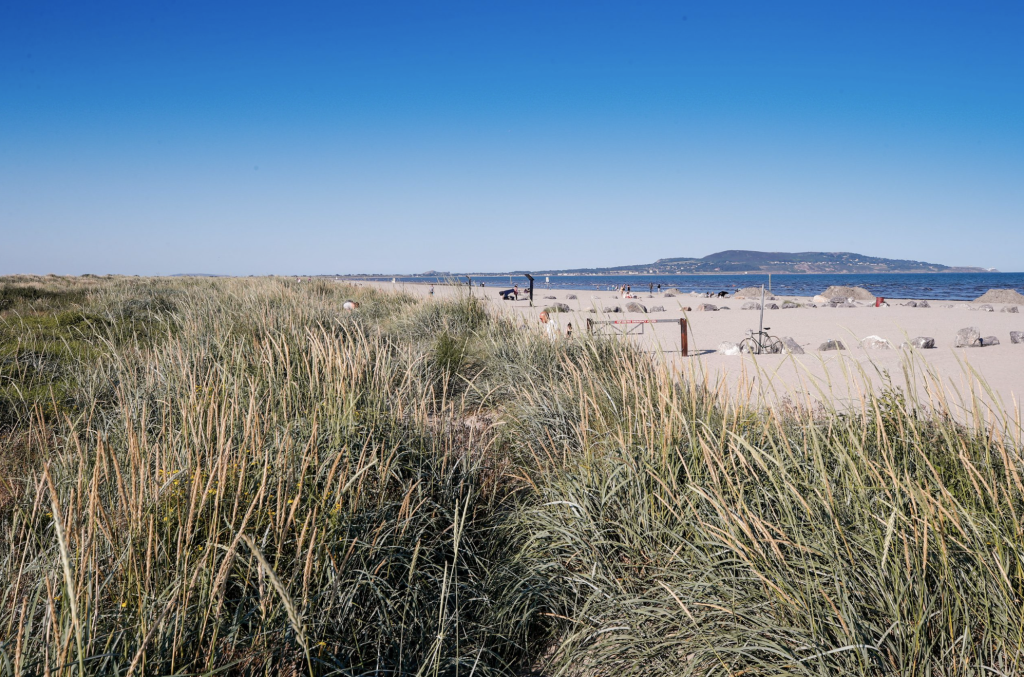
Key Neighbourhoods
Howth – A picturesque fishing village with cliff walks, harbour seal-spotting, and a weekend market. Plenty of cafés, seafood restaurants, and a DART station make it a vibrant yet accessible family base.
Malahide – A lively coastal town with Malahide Castle & Gardens, a huge playground, and a marina full of cafés and ice cream spots.
Portmarnock – Famous for its long sandy beach, coastal walks, and strong sports clubs.
Skerries – A postcard-perfect seaside town with a working harbour, windmills, and a bustling weekend food market.
Balbriggan – A growing seaside town with a beach, new housing developments, and strong rail connections.
Rush – Known for its sandy beaches and family-friendly sailing and drama clubs.
Lusk – A peaceful village atmosphere with modern housing estates, good schools, and easy rail access.
Donabate – Surrounded by beaches and Newbridge House & Farm, perfect for family days out.
Swords – A major suburban hub with excellent schools, playgrounds, shopping centres, and quick access to Dublin Airport.
Why Families Love It
North County Dublin blends seaside relaxation with practical amenities. With multiple train stations, bus routes, and the M1 motorway, it’s easy to commute to the city while enjoying beaches, parks, and safe residential areas.
Renting and Buying Family Homes in Dublin
Finding a home is one of the biggest (and often most stressful!) parts of relocating with children. Dublin offers a wide variety of family-friendly neighbourhoods, but with high demand and a fast-moving market it’s not for the faint hearted! You’ll need perseverance, determination and a large deposit! For most families, renting first is the easiest way to settle in, explore different areas, and get a feel for local schools and amenities. Demand is extremely high, particularly in popular family-friendly areas like Dublin 4, 6, 8, 9, 14, and the coastal suburbs.

The main rental websites are Daft.ie and Rent.ie, with MyHome.ie also listing rentals, though it’s more focused on property sales. Local Facebook groups and neighbourhood WhatsApp chats can be a useful way to spot listings before they hit the market. To apply, you’ll typically need proof of ID, references from previous landlords or employers, proof of income (such as payslips or bank statements), and funds for both a deposit (usually one month’s rent) and the first month’s rent upfront. Properties move quickly, so it’s best to respond fast to listings and follow up with letting agents by phone.
If you’re planning to stay in Dublin long-term, buying a family home can be a solid investment, though it comes with its own set of challenges. The main property portals for sales are Daft.ie and MyHome.ie, while local estate agents such as Sherry FitzGerald and DNG often list new properties directly on their own websites. Setting up alerts for your preferred areas will help you move quickly when the right home appears.
Before viewing properties, secure mortgage pre-approval from a bank or broker, and hire a solicitor early in the process. Be sure to budget for stamp duty (1%), surveyor fees, and legal costs, and if you’re relocating from abroad, consider engaging a buyer’s agent to streamline the process. For families, it’s also
Family tip: It’s worth checking school catchment areas before buying, as some schools give priority based on proximity.
Helpful Resources
- citizensinformation.ie: Clear guidance on renting, buying, and your rights as a tenant or homeowner.
- Threshold.ie: Tenant support and advocacy
- School catchment info: Usually available on each school’s website or via local forums
The Irish School System

Ireland offers a strong, accessible education system with a mix of public, private, and alternative school options. Preschool is free under the ECCE scheme for children aged 2 years and 8 months and usually runs 3 hours per day, five days a week, through Montessori, crèches, or play-based settings. Primary school begins with Junior Infants at age 4 or 5 and is typically free, though most schools request a small voluntary contribution. School types include Catholic, Educate Together (multi-denominational), and Gaelscoileanna (Irish language immersion). Secondary school starts around age 12 and follows a structured path: Junior Cycle, an optional Transition Year, and finally the Leaving Certificate exams at 17–18. There’s a broad range of schools available, from public to fee-paying to international.
Preschool & ECCE
- Free for all children aged 2 years 8 months+
- Montessori, crèche, and play-based options available
- Runs 3 hours/day, 5 days/week
Primary School (Ages 4–12)
- Junior Infants begins age 4 or 5
- School types: Catholic, Educate Together, Gaelscoileanna
- Publicly funded with voluntary contributions
- Apply early! Some schools take names from birth
Secondary School (Ages 12–18)
- Entry at age 12 from 6th class
- Junior Cycle → Transition Year (optional) → Leaving Cert
- Wide choice of school types, including fee-paying and international
Find a school in your area or education.ie for public school listings. Check school catchment areas and apply as early as possible
Healthcare in Ireland

Ireland has both public and private healthcare systems, and many families choose to use a combination of the two. The public system is run by the HSE (Health Service Executive) and offers subsidised care—including the Doctor Visit Card, which provides free GP visits for all children under 8.
However, non-urgent hospital care through the public system can involve long waiting times. To avoid delays, many families also take out private health insurance with providers like VHI, Laya Healthcare, or Irish Life Health, which offer faster access to specialists and private hospitals. Once you move, it’s a good idea to apply early for a PPS number and Doctor Visit Card to ensure smooth access to care.
Moving to Dublin with Kids and Pets!

Moving Pets to Dublin from Within the EU
If you’re moving from another EU country, the process is relatively straightforward under the EU Pet Travel Scheme. Your pet will need a microchip, a valid rabies vaccination, and an EU pet passport issued by a vet in your home country. For dogs, a tapeworm treatment is required between 24–120 hours before arrival. You can travel via approved airlines, ferries, or the Eurotunnel to the UK and then ferry to Ireland. Most families find ferry travel easier for larger dogs, while smaller pets can often fly in the cabin depending on airline rules.
Moving Pets to Dublin from Outside the EU
If you’re moving from the UK (post-Brexit), the US, Canada, Australia, or other non-EU countries, you’ll still follow similar rules, but instead of an EU pet passport you’ll need an EU animal health certificate issued by an authorised vet in your country within 10 days before travel. Rabies vaccination (given after microchipping) is required, and some countries must also meet additional disease control checks. Dogs still need the tapeworm treatment. Pets must arrive through approved ports of entry, such as Dublin Airport, and will have their documents checked by a Department of Agriculture official on arrival. Booking flights well in advance is essential, as airlines have limited pet spaces per route.
Airlines That Allow Pets into Ireland
Pets entering Ireland are generally only allowed in the cabin (never as checked baggage), though some must travel as cargo.
- Aer Lingus – Cargo only via IAG Cargo; no in-cabin pets.
- KLM – Allows small pets in-cabin (max ~8 kg incl. carrier) and sometimes in hold.
- Air France – In-cabin pets allowed with weight and carrier limits.
- Lufthansa – Cabin or hold generally allowed, but confirm for Ireland-bound flights.
- Air Canada – In-cabin and hold accepted, though Shannon Airport has restrictions.
Ferry Travel
If flying seems stressful, Irish Ferries and Stena Line offer pet-friendly cabins and kennels on routes from the UK and France — a popular choice for larger dogs or anxious travellers.
Settling Pets in Your New Home
- Register with a local vet — Many Dublin suburbs have excellent clinics. Some offer house calls if your pet struggles with travel.
- Explore dog-friendly spaces — From Sandymount Strand to Phoenix Park, there’s no shortage of open areas. Dublin City Council also lists local dog parks.
- Pet shops & services — Petstop and Maxi Zoo are the big chains; smaller independents often stock niche brands.
- Pet sitting & walking — Websites like Pawshake or apps like Rover connect you with local pet sitters.
Check out Dublin Airport Pet Travel Info, Bringing Pets into Ireland and Official Pet Travel Rules for further info.
Register for a PPS Number (if relocating from outside Ireland)
A PPS (Personal Public Service) Number is essential for everyday life in Ireland. You’ll need it for work, accessing healthcare, applying for social welfare supports, and even registering your child in school.
How to apply:
- Book an appointment online through MyWelfare.ie.
- Bring your passport (or national ID card), proof of address in Ireland, and proof of why you need a PPS number (e.g., a job offer or school enrolment letter).
- Each family member, including children, will need their own PPS number.
For children, a parent or guardian must apply on their behalf. It’s worth doing this as soon as possible after arriving, as you may need it for benefits like Child Benefit.
Frequently Asked Questions About Moving to Dublin With Kids
Is Dublin a good city for families?
Absolutely. Dublin is one of Europe’s most family friendly cities. It’s compact, meaning you can get just about anywhere in under 30 minutes, and it’s bursting with parks, playgrounds, and beaches for kids to explore. Children are warmly welcomed in (most!) restaurants, cafés, and public spaces, and there’s a real sense of community through libraries, sports clubs, and family events.
What’s the best area in Dublin for families to live?
There’s no one-size-fits-all answer, it depends on your budget and lifestyle. If you love city life, Dublin 2 and Dublin 8 put you right in the heart of it all. For leafy suburbs with great schools, try Dublin 6, 14–16, or 18. If seaside living appeals, areas like Clontarf, Malahide, Howth, Blackrock, or Dalkey, are always favourites.
Our Neighbourhood Guide in this post breaks down the vibes, schools, parks, and family highlights in each area so you can find the best fit.
How easy is it to get around Dublin with kids?
Very easy. Dublin has a well-connected public transport system:
- Dublin Bus runs over 100 routes, with discounted Leap Cards and free travel for kids under five.
- The DART is a coastal train that’s scenic and buggy-friendly—perfect for beach days.
- The LUAS (tram) makes getting between city and suburbs quick and reliable.
Taxis are available via FreeNow and Uber, and ferries and trains make weekend adventures outside the city simple. A folding stroller is handy for busy times, but overall Dublin is very manageable with children.
What’s the school system like in Ireland?
Ireland offers a strong, accessible education system with a mix of public, private, and alternative school options.
- Preschool: The ECCE scheme offers free places for kids aged 2 years 8 months+.
- Primary school: Starts at 4–5 years old (Junior Infants). Most are state-funded, though voluntary contributions are common. Options include Catholic, Educate Together (multi-denominational), and Gaelscoileanna (Irish language immersion).
- Secondary school: Begins at age 12, moving through Junior Cycle → optional Transition Year → Leaving Certificate exams.
You can find schools via education.ie and check catchment areas before choosing a home.
How does healthcare work for children in Ireland?
Ireland offers both public and private healthcare. The public system is run by the HSE (Health Service Executive), and all children under 8 get free GP visits through the Doctor Visit Card. Emergency care is accessible, but non-urgent hospital care may involve long waits.
That’s why many families also take out private health insurance (with providers like VHI, Laya, or Irish Life Health) for faster access to specialists and private hospitals. Apply for your child’s PPS number and Doctor Visit Card as soon as you arrive to make things easier.
Is renting in Dublin difficult?
In one word, yes! It can be challenging due to high demand and limited availability. Most families start by renting to get a feel for neighbourhoods before buying.
- Main websites: Daft.ie, Rent.ie, MyHome.ie.
- Expect to provide ID, references, proof of income, and one month’s rent plus deposit.
- Properties move quickly, so respond fast and follow up with agents by phone.
If you’re buying long-term, secure mortgage pre-approval early and be mindful of school catchment areas when choosing a home.
Can I bring my pets with me to Dublin?
Yes, but the rules vary:
- From the EU: You’ll need a pet passport, microchip, rabies vaccination, and (for dogs) tapeworm treatment before arrival.
- From outside the EU: You’ll need an EU health certificate issued by your vet within 10 days of travel, plus the same vaccinations and checks. Pets must arrive through approved ports like Dublin Airport.
Some airlines allow pets in the cabin, while others only permit cargo travel. Ferries (Irish Ferries, Stena Line) are a great option for larger dogs, offering pet-friendly cabins and kennels.
What’s the weather like for family life in Dublin?
The weather is mild but unpredictable, think four seasons in a day! Winters are damp but not harsh (rarely below 0°C), and summers are mild (18–22°C). A good raincoat and layers are essential, but kids adapt quickly. The bonus? Lush green parks year-round and plenty of puddle-jumping opportunities! On a nice sunny summer’s day in Dublin, you wouldn’t want to be anywhere else in the world!
How do I connect with other families in Dublin?
Settling in is always easier when you find your tribe.
- Explore Living in Dublin for classes, activities, local services and more.
- Join our Community to ask questions, swap tips, and meet other parents.
- Many areas have active WhatsApp or Facebook groups for playdates, schools, and neighbourhood news.
Join our community, connect with other parents, discover Dublin and play!